Kumano Kodo: walking through the forests of the Kii Peninsula
For over a thousand years, the Kumano Kodo pilgrimage routes have crossed the mountains south of Osaka. A journey between cedars, shrines and hot springs.
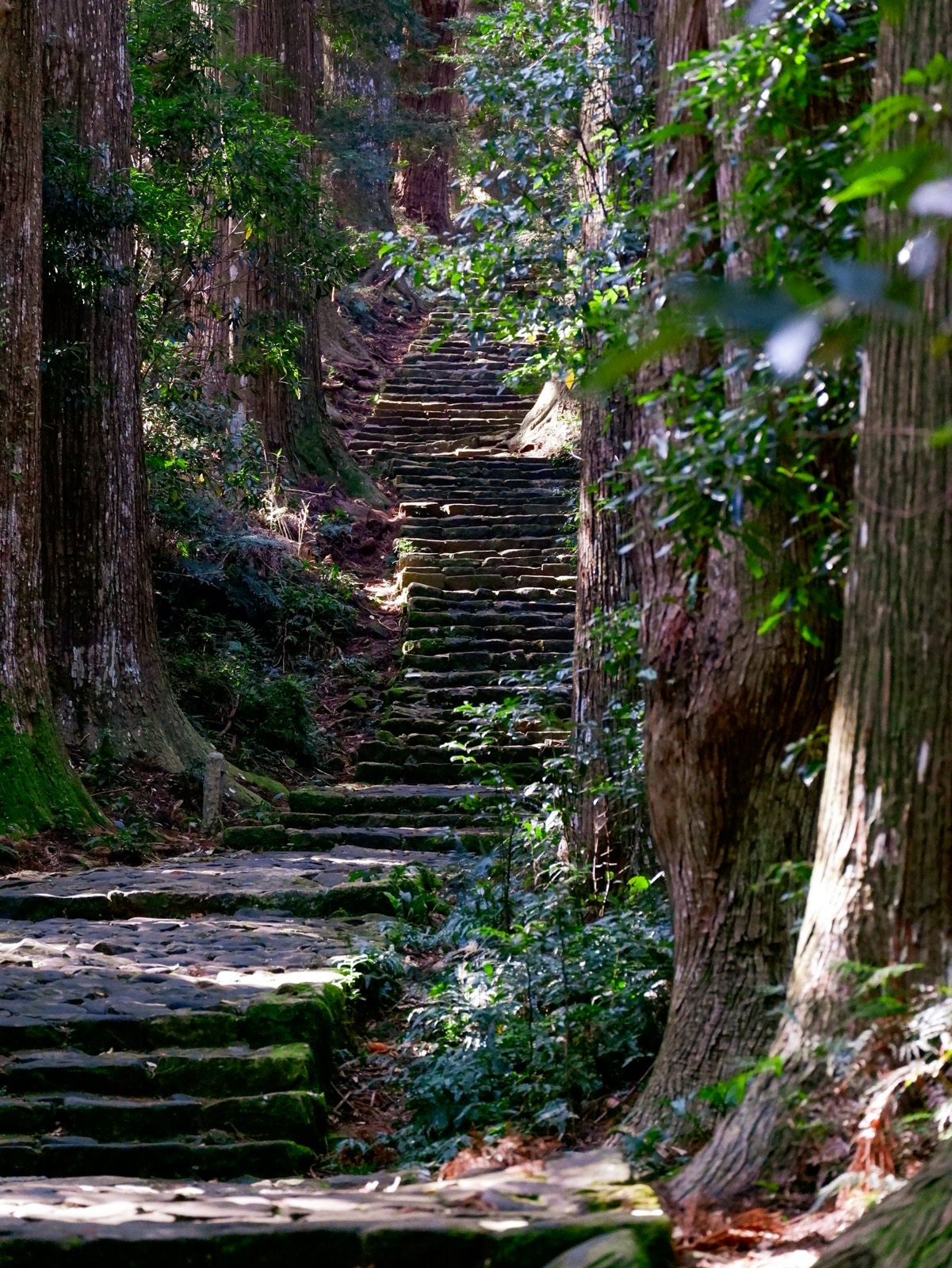
Photo: Susann Schuster / Unsplash
Sample text for the preview.
The ancient pilgrimage routes of the Kumano Kodo connect three grand shrines on the Kii Peninsula. Since 2004 they have been a UNESCO World Heritage Site, one of only two pilgrimage routes with that status worldwide. The other is the Camino de Santiago.
On the trail
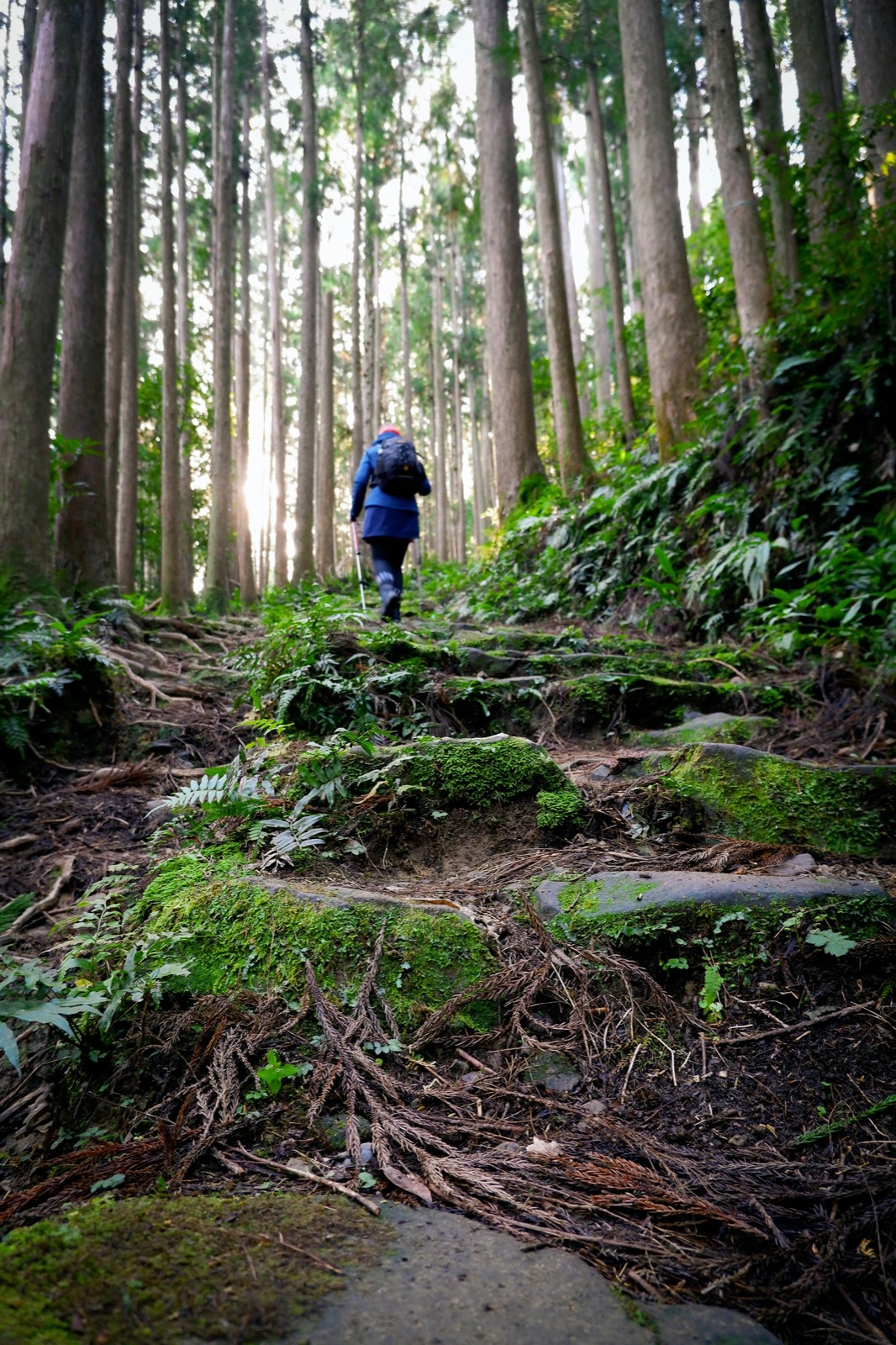
Photo: Susann Schuster / Unsplash
The best-known section, the Nakahechi route, climbs moss-covered stone steps through tall cedar forests. Nights are spent in small guesthouses, often with their own hot spring bath.
Good to know
- Best seasons: spring and autumn
- Luggage can be forwarded from one guesthouse to the next
- The stages are short, but steep
Room for your own tips and photos from the route.
Beispieltext für die Vorschau.
Die alten Pilgerwege des Kumano Kodo verbinden drei grosse Schreine auf der Kii-Halbinsel. Seit 2004 gehören sie zum UNESCO-Welterbe, als einer von nur zwei Pilgerwegen weltweit mit diesem Status. Der andere ist der Jakobsweg.
Unterwegs
Foto: Susann Schuster / Unsplash
Der bekannteste Abschnitt, die Nakahechi-Route, steigt über moosbedeckte Steinstufen durch hohe Zedernwälder. Übernachtet wird in kleinen Gasthäusern, oft mit eigenem heissem Quellbad.
Gut zu wissen
- Beste Jahreszeiten: Frühling und Herbst
- Das Gepäck kann von Gasthaus zu Gasthaus weitergeschickt werden
- Die Etappen sind kurz, aber steil
Platz für deine eigenen Tipps und Fotos von der Route.
Texte d'exemple pour l'aperçu.
Les anciens chemins de pèlerinage du Kumano Kodo relient trois grands sanctuaires de la péninsule de Kii. Depuis 2004, ils sont inscrits au patrimoine mondial de l'UNESCO, l'un des deux seuls chemins de pèlerinage au monde à avoir ce statut. L'autre est le chemin de Saint-Jacques-de-Compostelle.
Sur le sentier
Photo : Susann Schuster / Unsplash
La section la plus connue, la route Nakahechi, grimpe des marches de pierre couvertes de mousse à travers de hautes forêts de cèdres. Les nuits se passent dans de petites auberges, souvent avec leur propre bain de source chaude.
Bon à savoir
- Meilleures saisons : printemps et automne
- Les bagages peuvent être envoyés d'une auberge à la suivante
- Les étapes sont courtes, mais raides
De la place pour tes propres conseils et photos de l'itinéraire.
プレビュー用のサンプルテキスト。
熊野古道の古い巡礼路は、紀伊半島の三つの大社を結んでいる。2004年からユネスコ世界遺産に登録されていて、この地位を持つ巡礼路は世界でふたつだけ。もうひとつはサンティアゴ・デ・コンポステーラの巡礼路だ。
トレイルにて
最も知られた区間、中辺路は、苔むした石段を登りながら背の高い杉の森を抜けていく。夜は小さな宿に泊まり、多くは自前の温泉がある。
知っておきたいこと
- ベストシーズン:春と秋
- 荷物は宿から次の宿へ送ることができる
- 各区間は短いが、急
ルートでのあなた自身のヒントや写真を載せるスペース。